
How to Move a Piano Safely: Upright and Grand Piano Guide
How to move a piano safely: the equipment you need, step-by-step instructions for upright and grand pianos, stairs, mistakes to avoid and when to call pros.

How to move a piano safely: the equipment you need, step-by-step instructions for upright and grand pianos, stairs, mistakes to avoid and when to call pros.
Moving to Roanoke, VA? Neighborhoods, nearby towns, schools, utilities, getting around, weather and a moving checklist from a local Roanoke moving company.

How much do movers cost in Roanoke, VA? See how moving prices work, what changes the cost, hidden fees to ask about and simple ways to save on your move.
When is the best time of year to move? Compare spring, summer, fall and winter, the best days and dates to book, and tips for families, students and seniors.
How to pack for a long distance move: supplies, a 4-week packing timeline, room-by-room tips, fragile items, furniture and what never goes on the truck.

What to look for in long distance movers: licensing, written estimates, valuation coverage, reviews, red flags and 10 questions to ask before you book.
How long does a cross-country move take? See typical timelines by distance, what affects delivery windows and a week-by-week plan from Roanoke movers.
This guide brings together the moving tips our Roanoke crews share most often, from the first planning steps to the first night in your new home. Each section links to a full article when you want more detail. Bookmark this page and come back as your moving day gets closer.
Most moves feel rushed because planning starts too late. Begin six to eight weeks ahead if you can. That gives you time to compare movers, sort your belongings and pack without long late nights.
Keep your estimate, receipts, lease or closing documents, school records and new utility account details in one folder or one note on your phone. When questions come up, everything is in one place.
Summer, weekends and the last days of the month are the busiest times for movers. If your schedule is flexible, a weekday in the middle of the month often means more available dates. Our article When Is the Best Time of Year to Move? explains the pros and cons of each season.
Measure large furniture and the doorways, stairways and rooms in your new home. Knowing what fits ahead of time saves effort on moving day and helps you decide what to sell or donate.
Every item you move costs time and money, so sorting is one of the most valuable moving tips we can give.
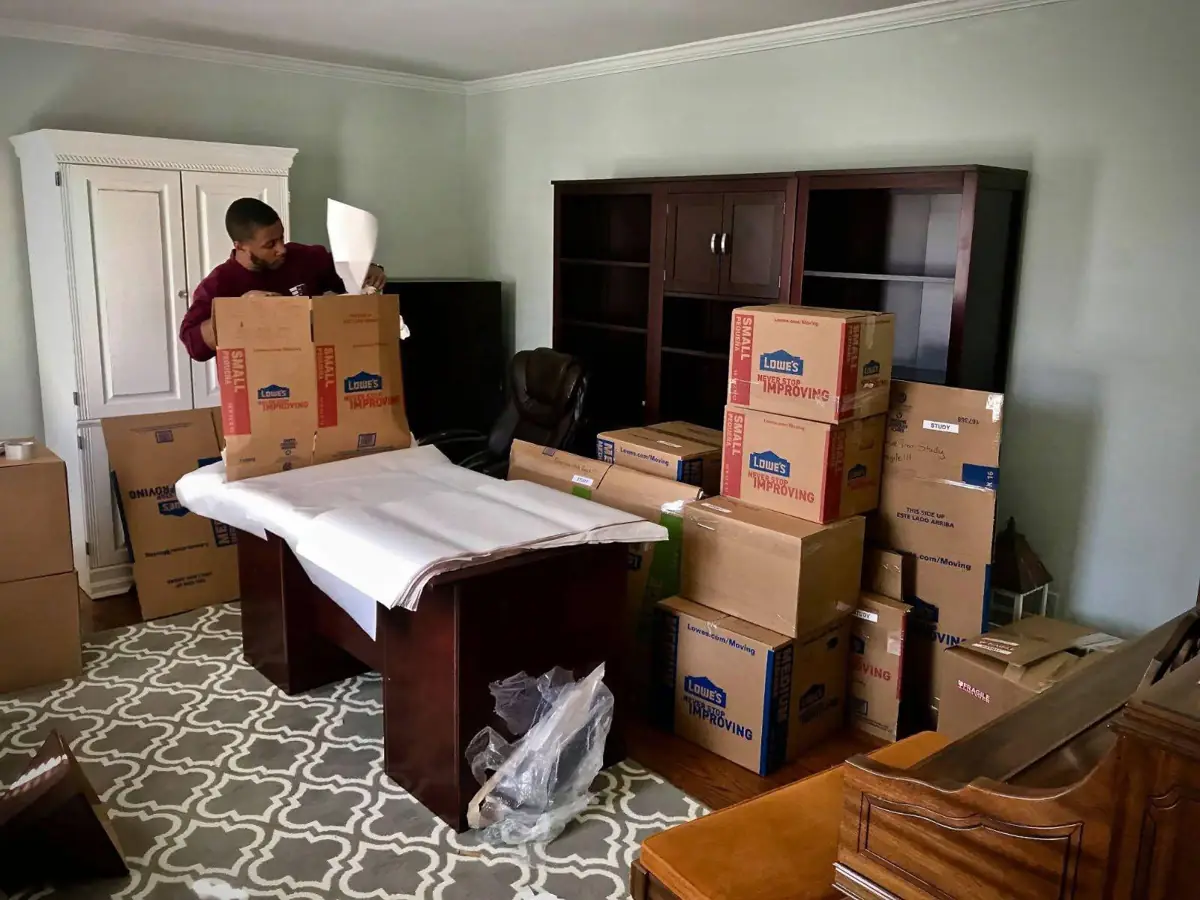
Use sturdy boxes in small, medium and large sizes, packing paper, bubble wrap, strong packing tape and markers. Specialty boxes such as wardrobe boxes, dish packs and picture boxes make packing faster and safer.
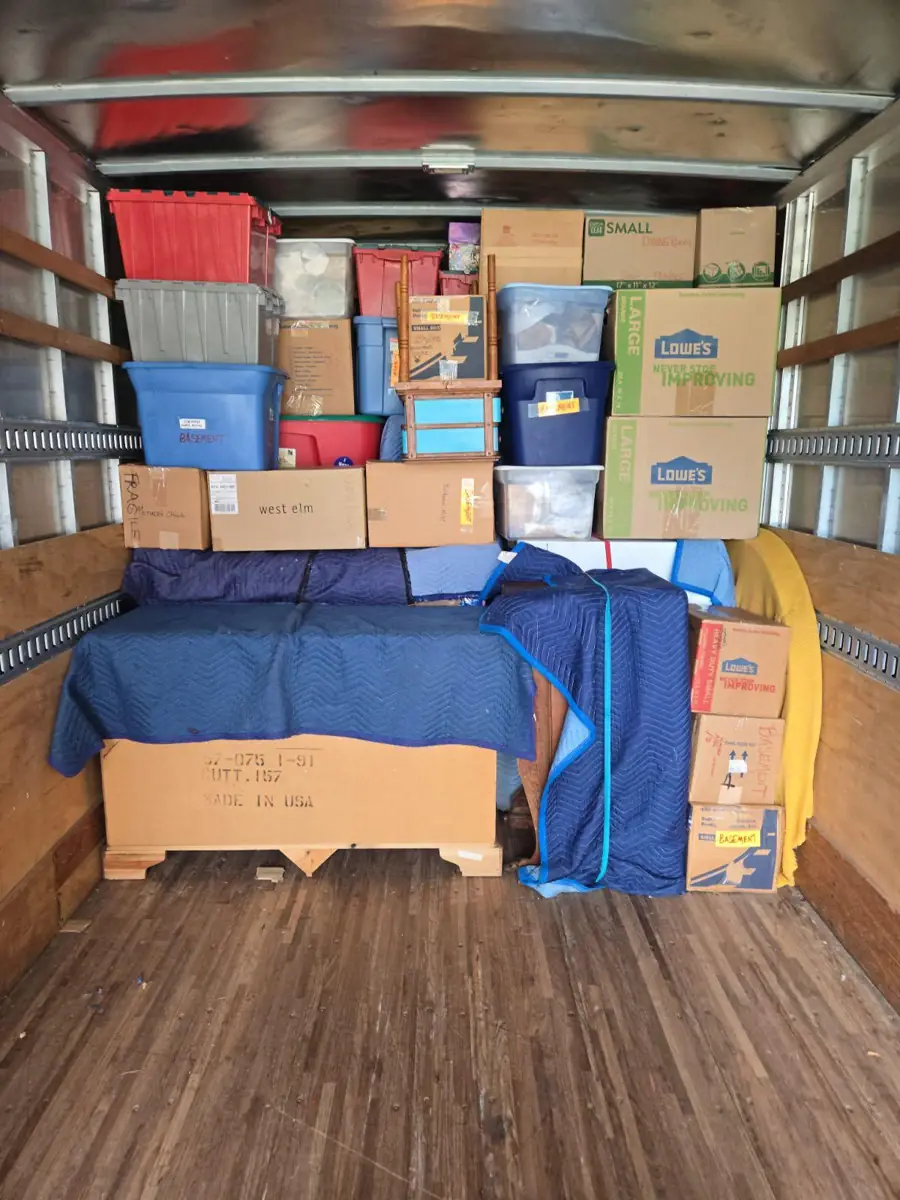
Books, tools and canned food go in small boxes. Light items like pillows, linens and lampshades go in large boxes. Boxes that are too heavy are hard to carry and more likely to break.
Wrap each dish and glass separately, stand plates on edge and fill empty space with crumpled paper. Mark fragile boxes on several sides.
Write the room and a short list of contents on the top and one side of each box. Number your boxes and keep a simple list so you know if anything is missing.
Keep medications, documents, chargers, toiletries, a change of clothes, basic tools, snacks and bedding for the first night with you, not on the truck.
For room-by-room advice, read How to Pack for a Long Distance Move. If you would rather not pack at all, our moving services include full and partial packing.
The mover you choose shapes your whole moving day. These checks help you find a company you can trust:
Our full guide is What to Look for in Long Distance Movers, and you can read our own customer feedback on the reviews page.
Long moves need more planning than local ones. Book your movers six to eight weeks ahead, confirm your pickup date and delivery window in writing, and plan where you will stay while your belongings are on the road. Pack an extra bag with a few days of clothes and essentials. Our article How Long Does a Cross-Country Move Take? explains timing in detail, and our long distance movers page describes how we handle moves across Virginia and to other states.
Learn more about our local moving company and the towns on our service areas page.
Downsizing is personal and often emotional. Start early, focus on one room at a time and ask family members which heirlooms they would like before the move. A floor plan of the new home helps decide which furniture fits. Choose movers who work at a patient pace and will set up beds and favorite chairs first, so the new home feels familiar on the first night. See our moving services for seniors.
Pack light, bring only what fits your room and check your school’s move-in rules for times, elevators and parking. Label boxes with your name and room number. Share large items with roommates when you can, and book help early for move-in and move-out weeks. Our college moving services help students and parents across the region.
Plan an office move at least two months ahead. Make a floor plan for the new space, label every item by room or department and back up computer files before the move. Tell clients and vendors your new address, and schedule the move after hours or on a weekend to keep downtime short. Our commercial movers plan moves around your business hours.
Children handle a move better when they feel included. Talk about the new home early, show them photos or the new neighborhood, and let them pack a small box of favorite things that opens first. Keep bedtime and meal routines as normal as you can in the last week. On moving day, a relative, friend or sitter gives younger kids a calm place away from open doors and heavy furniture.
Pets notice change too. Keep dogs and cats in a closed, quiet room or with a friend while the crew works, and move them yourself in your own car. Pack food, water, bowls, leashes, litter, toys and any medications where you can reach them. Update microchip records and tags with your new address, and find a local veterinarian before you need one.
Some belongings need more planning than a standard box. Tell your movers about them when you request a quote, so the right crew, materials and equipment arrive on moving day.
The first night in a new home is easier when a few basics are ready. Make the beds before you unpack anything else. Put towels, soap and toilet paper in the bathroom. Keep a box with a kettle or coffee maker, a few plates and snacks in the kitchen. Plug in phone chargers and a lamp in each bedroom. Check that doors lock and that you know where the water shutoff and breaker panel are. Tomorrow you can start unpacking room by room, beginning with the kitchen and the rooms you use most.
Moving is a big job, but with good planning and the right help it can be a smooth one. We hope these moving tips make your next move easier, whether you are moving across the street in Roanoke or across the country.
Two to three weeks before your move, call your electric, water, gas, internet and trash providers. Ask them to stop service at your old home the day after you move out and start service at the new home the day before you arrive, so you are never without power or water. If you are moving within the Roanoke Valley, some providers can simply transfer your account. Remember smaller services too: lawn care, cleaning, gym memberships, newspaper and meal delivery. Write each confirmation number in your moving binder so you can follow up quickly if something is missed.
Finally, keep a short list of every company you contacted and the date each service starts or ends. When the new bills arrive, compare them with your notes and call right away if anything looks wrong. A few minutes of follow-up now can prevent late fees, double charges and service gaps after the move.
Start early. Early planning gives you more dates to choose from, more time to sort and pack, and a calmer moving day.
Two to four weeks for most local moves, and six to eight weeks for summer, month-end and long distance moves.
Pack the rooms and items you use least, such as guest rooms, storage areas, books and seasonal items.
Keep valuables, medications and important documents with you. Movers also cannot carry hazardous items such as gasoline, propane, paint and chemicals.
Local moves with Collegiate Movers start from $350. Your estimate depends on home size, distance, access and services.
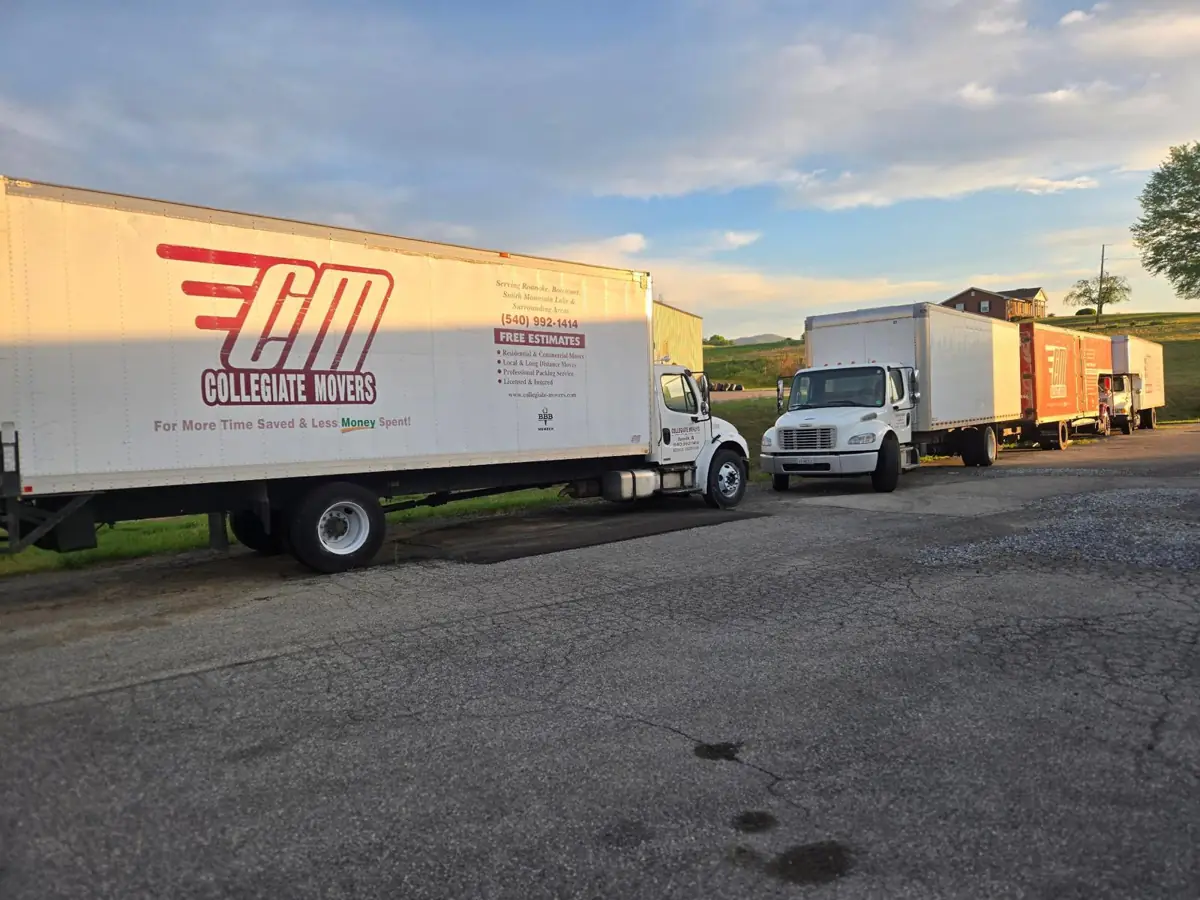
Collegiate Movers has helped families, students, seniors and businesses move across Southwest Virginia since 1999. Licensed and insured, USDOT 861003. Call (540) 992-1414, Monday to Saturday from 7am to 7pm, or request your free quote online.