
How long does a cross-country move take? For most households, a cross-country move takes anywhere from one to three weeks from the day your belongings are loaded to the day they arrive, depending on distance, the size of your move and the time of year. The planning before that should start six to eight weeks ahead. This guide from Collegiate Movers, a Roanoke, VA moving company serving families since 1999, explains every stage of a cross-country move so you can plan with confidence.
Planning a long move from Roanoke or anywhere in Southwest Virginia? Our long distance movers can give you a free written estimate with a pickup date and delivery window for your exact move. Call (540) 992-1414, Monday to Saturday from 7am to 7pm.
The Short Answer: Cross-Country Move Timeline at a Glance
Every cross-country move has three phases: planning and packing, loading, and transport and delivery. Here is how long each one usually takes:
- Planning and booking: 4 to 8 weeks before moving day
- Packing a full home: 1 to 3 days with professional packers, or 2 to 4 weeks if you pack yourself
- Loading the truck: a few hours for an apartment, a full day for a large house
- Transport: from a few days for moves within a few hundred miles to two weeks or more for coast-to-coast moves
- Unloading: a few hours to a full day
The transport stage is the one most people ask about, so we cover it in detail below.
How Long Does a Cross-Country Move Take by Distance?
Distance is the biggest factor in how long a cross-country move takes. Moving trucks follow federal hours-of-service rules that limit how long a driver can be on the road each day, so a truck cannot drive straight through the way a car might. As a general guide, typical transit times look like this:
- Under 500 miles (for example, Roanoke to Atlanta or Roanoke to Philadelphia): often 1 to 3 days on the road
- 500 to 1,000 miles (for example, Roanoke to Florida or Chicago): often 2 to 5 days
- 1,000 to 2,000 miles (for example, Roanoke to Texas or Colorado): often 4 to 10 days
- Over 2,000 miles (for example, Roanoke to California or the Pacific Northwest): often 7 to 14 days or more
These are general ranges, not promises. Your moving company will confirm your own pickup date and delivery window in writing before the move.
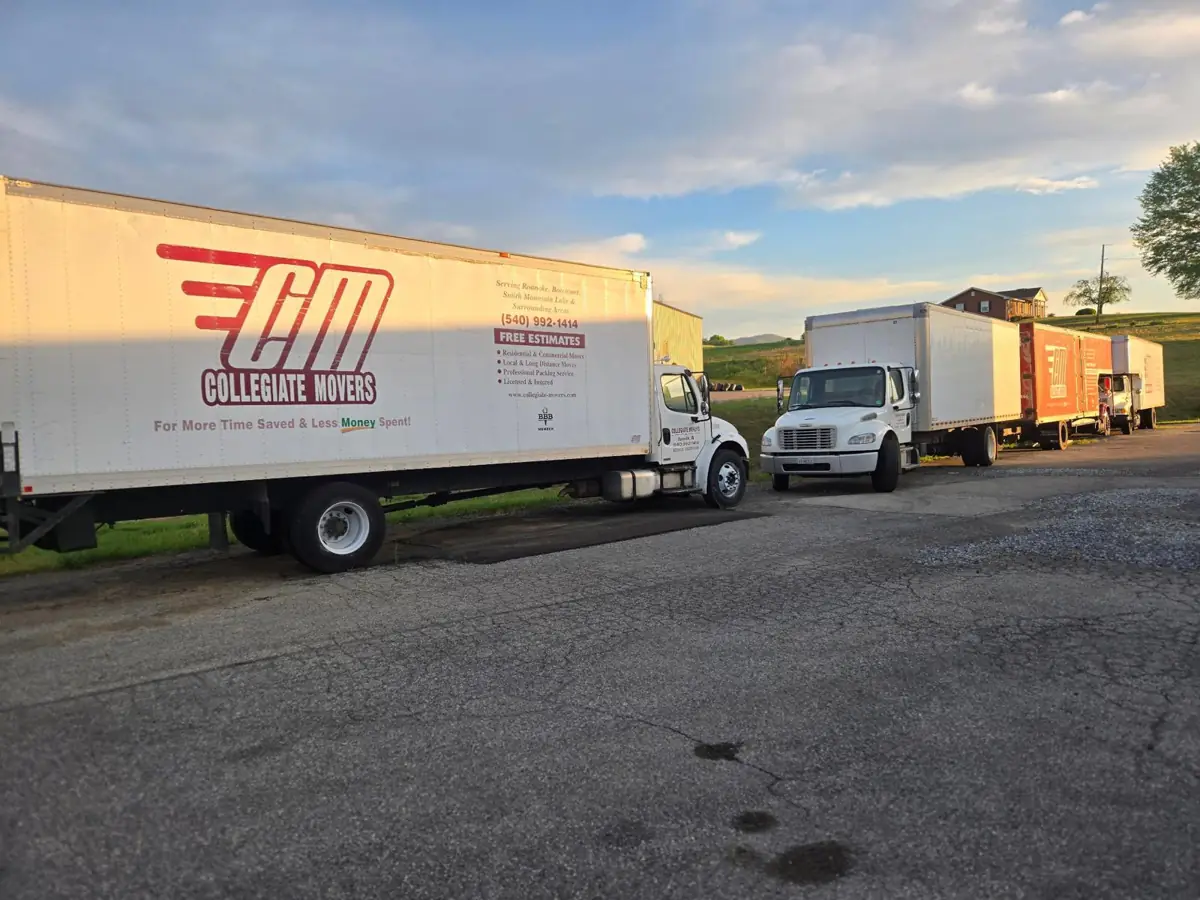
What Is a Delivery Window?
On a cross-country move, most movers give you a delivery window instead of a single delivery date. A delivery window is the range of days during which your belongings will arrive at your new home. Windows exist because long trips depend on traffic, weather, road conditions and the driver’s legal rest periods.
Ask any mover you are considering to explain their delivery window in writing, and plan your own travel so you arrive at your new home before the start of that window. Keep the delivery address and your phone number up to date so the crew can reach you on the day.
7 Factors That Affect How Long a Cross-Country Move Takes
1. Distance and Route
Longer distances take longer, but the route matters too. Mountain passes, big-city traffic and construction zones all slow a moving truck down.
2. The Size of Your Move
A studio apartment loads in a few hours, while a four-bedroom house can take a full day to pack and load. Bigger moves can also need a larger truck or more than one trip.
3. Time of Year
Summer is the busiest season for a cross-country move. Families move between school years, and many leases end in June, July and August. Book early in summer, and expect more flexibility in fall and winter.
4. Weather
Snow, ice and storms can delay any long trip. A careful mover will not take risks with your belongings or the crew, so winter moves through the Rockies or the Midwest can take a little longer.
5. Packing
If your home is not packed when the crew arrives, loading takes longer. Professional packing speeds up moving day and protects your belongings for the long road ahead.
6. Access at Both Homes
Long walks from the door to the truck, stairs, elevators and limited parking all add time at pickup and delivery. Reserve elevators and parking ahead of time if you can.
7. Specialty Items
Pianos, safes, large antiques and fitness equipment need extra time and equipment to wrap, load and unload safely.
A Week-by-Week Plan for Your Cross-Country Move
Knowing how long a cross-country move takes is only half the job. The other half is planning. Use this timeline to stay on track:
8 Weeks Before
- Set your moving budget and target moving dates.
- Request written estimates from long distance movers.
- Start sorting each room into keep, sell, donate and recycle.
6 Weeks Before
- Book your mover and confirm the pickup date and delivery window.
- Sell or donate large items you will not take.
- Gather school, medical and vehicle records.
4 Weeks Before
- Start packing rooms you use least, such as the attic, basement and guest room.
- Arrange utility shutoff at your old home and setup at your new home.
- Submit a change of address with the post office.
2 Weeks Before
- Plan your own travel, including hotels if you are driving.
- Arrange transport for pets and plants.
- Use up food in the freezer and pantry.
1 Week Before
- Finish packing everything except daily essentials.
- Pack a suitcase and an essentials box to travel with you.
- Confirm the moving time, the crew’s arrival and the delivery address.
Moving Day
- Walk through every room with the crew lead.
- Keep valuables, documents and medicine with you.
- Do a final check of closets, cabinets, the attic and the garage.
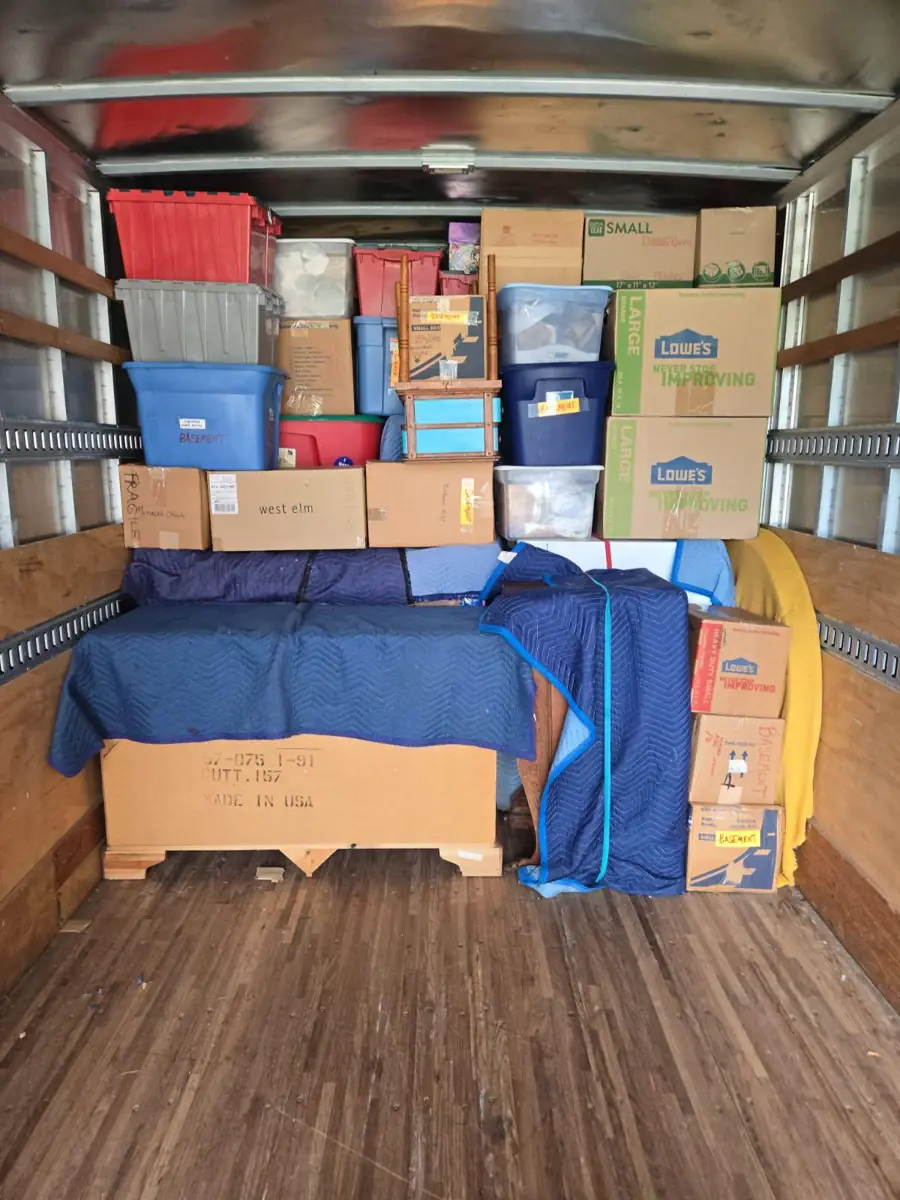
How to Make a Cross-Country Move Go Faster
You cannot change the distance, but you can make every other part of a cross-country move faster:
- Move less. Every item you sell or donate is one less thing to pack, load and unload.
- Book early. Early booking gives you the widest choice of pickup dates.
- Use professional packing. Trained packers work quickly and pack items to survive a long trip.
- Label everything. Clear room labels let the crew unload straight into the right rooms.
- Be flexible. If your dates can move by a few days, you may get an earlier pickup or a shorter delivery window.
- Have your new home ready. Make sure keys, utilities and parking are sorted before delivery day.
What to Pack in Your Essentials Box
Because a cross-country move can take a week or more, you may spend a few nights in your new home before your belongings arrive. Pack an essentials box or suitcase to carry with you:
- Clothes for several days and basic toiletries
- Medicines, glasses and important health items
- Passports, birth certificates, financial records and moving paperwork
- Phone and laptop chargers
- Bedding, towels and a few basic kitchen items
- Toys and comfort items for children, plus food and supplies for pets
- A basic toolkit, flashlight and cleaning supplies
How to Choose the Right Mover for a Cross-Country Move
The right moving company makes a cross-country move faster, safer and less stressful. Before you book, check these points:
- USDOT number. Interstate movers must be registered with the US Department of Transportation. Collegiate Movers is USDOT 861003.
- Written estimate. Get your price, pickup date and delivery window in writing.
- Real address and phone number. Be careful with companies that only exist online.
- Reviews. Read what real customers say. You can see ours on our reviews page.
- No large cash deposits. Be cautious of any mover that demands a big cash payment before the move.
The Federal Motor Carrier Safety Administration’s Protect Your Move website explains your rights during an interstate move and the warning signs of moving scams. It is worth reading before any cross-country move.
Common Cross-Country Move Delays and How to Avoid Them
Most delays on a cross-country move can be prevented with a little planning. These are the ones we see most often:
- Unpacked rooms on moving day. If packing is not finished, loading takes longer and the truck leaves later. Finish packing the day before, or book professional packing.
- Last-minute items. Extra furniture or boxes that were not in the estimate may not fit on the truck. Tell your mover about every large item in advance.
- Building access problems. A missing elevator reservation or a blocked loading zone can hold up both pickup and delivery. Confirm access at both homes a week before.
- Unreachable customers. If the driver cannot reach you to schedule delivery, your belongings may wait. Keep your phone on and share a backup contact.
- Keys and utilities. Make sure you can get into the new home and that the lights and water work on delivery day.
Cross-Country Move vs. Local Move: What Changes?
A local move usually happens in a single day. A cross-country move stretches over days or weeks, and that changes how you plan:
- Packing is stronger. Boxes and furniture must survive hundreds or thousands of miles, so padding and wrapping matter more.
- You travel separately. Most people drive or fly while the truck travels with their belongings.
- You live out of a suitcase. Plan for several days without your furniture at one or both ends of the trip.
- Paperwork increases. Interstate moves come with federal rules, written estimates and an inventory of your belongings.
- Timing is a window. Instead of an exact hour, delivery arrives within an agreed window of days.
If you are moving within the Roanoke Valley instead, see our local moving company guide for a simpler one-day plan.
Moving Your Car on a Cross-Country Move
You have two main choices for your vehicle. You can drive it yourself, which lets you carry your essentials box, pets and valuables, or you can ship it with an auto transport company. Car shipping across the country often takes about one to two weeks, similar to household goods. If you have two cars, many families drive one and ship the other. Schedule auto transport early, and remove personal items from any car that will be shipped.
Traveling With Pets on a Long Move
Pets feel the stress of a cross-country move too. Visit your veterinarian before the move for records and any medicine your pet needs for travel. Book pet-friendly hotels along your route, and keep food, water, leashes, litter and a familiar blanket in your car. On moving day, keep pets in a quiet, closed room or with a friend so they cannot slip out while doors are open. When you arrive, set up one quiet room with their bed and bowls before unpacking the rest of the house.
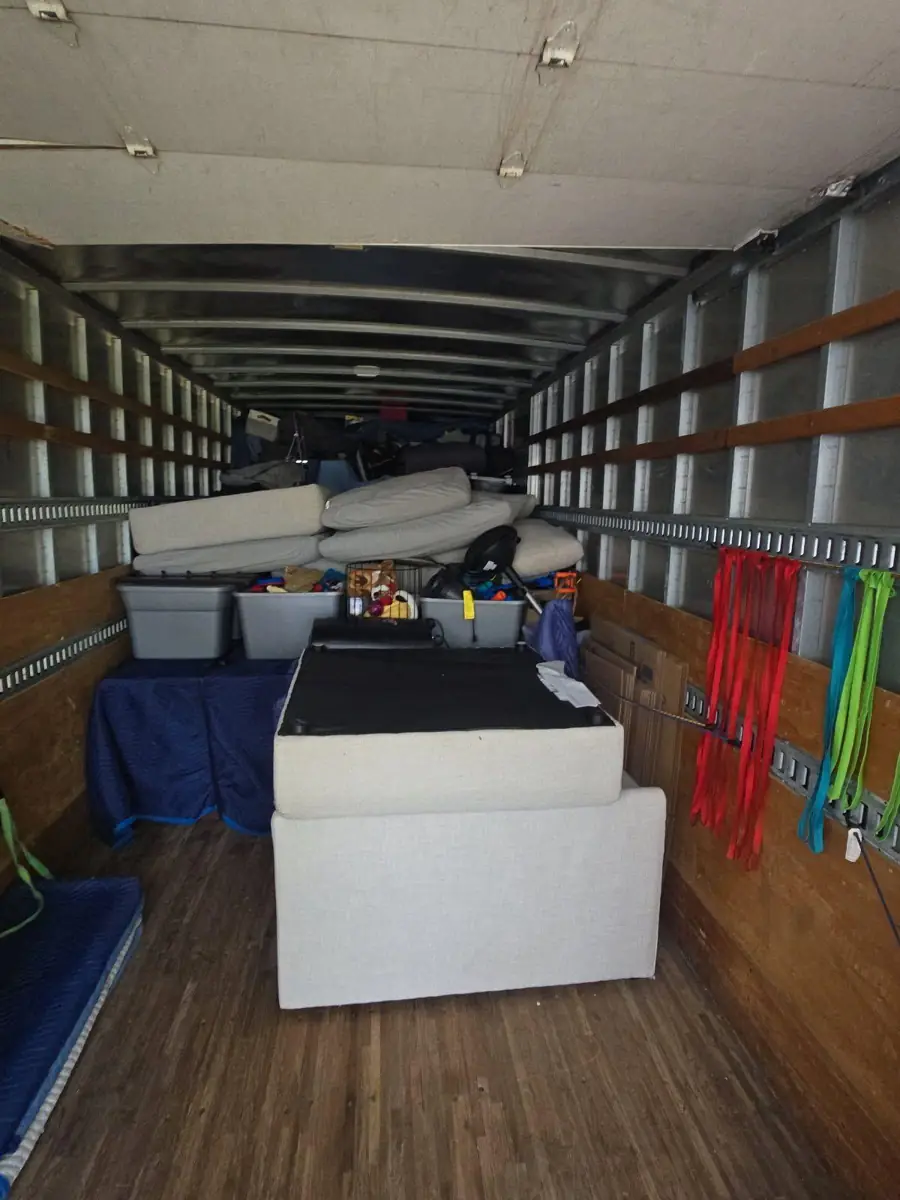
Settling In After a Cross-Country Move
The move is not over when the truck leaves. These steps help you settle in faster:
- Check your inventory. As items come off the truck, check them against the inventory list and note anything missing or damaged before the crew leaves.
- Unpack the essentials first. Set up beds, the bathroom and the kitchen on day one.
- Update your documents. Many states require a new driver’s license and vehicle registration within a set number of days after you move. Check your new state’s rules.
- Register to vote and update your address with banks, insurance, employers and subscriptions.
- Find new providers. Choose a doctor, dentist, pharmacy and veterinarian near your new home.
- Explore your neighborhood. Find the grocery store, parks and local services in the first week so the new city feels like home.
What Affects the Cost of a Cross-Country Move?
Time and cost are closely linked on a cross-country move. The same things that make a move take longer usually make it cost more:
- Distance: more miles means more fuel, more driving days and more crew time.
- Weight and volume: the more you move, the more space it takes on the truck and the longer it takes to load and unload.
- Packing services: full packing adds materials and labor but saves you days of work.
- Access: stairs, elevators, long carries and parking limits at either home add time.
- Season: summer and month-end dates are in the highest demand.
- Delivery options: a shorter or guaranteed delivery window can cost more than a standard window.
The best way to know your cost is a written estimate based on what you are actually moving. Moving less, booking early and being flexible with dates are the simplest ways to save.
Checklist for the Day Your Belongings Arrive
- Be at the new home, or have someone you trust there, for the whole delivery window.
- Put a simple floor plan with room names on the front door so the crew knows where everything goes.
- Protect floors in the entryway and clear a path from the truck to the door.
- Check off each item and box on the inventory list as it comes in.
- Ask the crew to reassemble beds and tables before they leave.
- Note any missing or damaged items on the paperwork before you sign.
Frequently Asked Questions About Cross-Country Moves
How long does a cross-country move take from Virginia to California?
A move from Virginia to California covers more than 2,000 miles, so transport alone often takes one to two weeks. Your mover will confirm your delivery window in writing.
Can I get my belongings on a guaranteed date?
Some movers offer guaranteed delivery dates for an extra cost, while most give a delivery window. Ask your mover about the options before you book.
How far ahead should I book a cross-country move?
Book six to eight weeks ahead, and earlier for summer moves or moves at the end of the month.
Is it faster to move myself?
Driving a rental truck yourself can be faster for small moves, but you have to pack, load, drive and unload on your own. For a full home, a professional mover usually saves time and protects your belongings better.
What is the cheapest time of year for a cross-country move?
Fall and winter, outside the holidays, are usually less busy than summer, which can mean more open dates. Mid-month moves also tend to be easier to schedule than month-end moves.
Can I track my belongings during a cross-country move?
Ask your mover how they keep you updated during transport. With Collegiate Movers, you have a real phone number to call, (540) 992-1414, and we stay in touch about timing from pickup through delivery so you always know what to expect next.
Plan Your Cross-Country Move With Collegiate Movers
Collegiate Movers has helped Roanoke families move since 1999. We are licensed and insured (USDOT 861003), and our long distance movers handle packing, loading, transport and delivery for moves across Virginia and to other states. If you are wondering how long your own cross-country move will take, the fastest way to find out is a free written estimate.
Call (540) 992-1414, Monday to Saturday from 7am to 7pm, or request your free quote online. You can also learn more about our moving services and our local moving company for moves within the Roanoke Valley.