
Packing for a long distance move is different from packing for a move across town. Your boxes will ride for hundreds or thousands of miles, through stops, hills and highway vibration, so every box has to be packed to survive the trip. This step-by-step guide from Collegiate Movers, a Roanoke, VA moving company serving families since 1999, shows you how to pack for a long distance move room by room, what supplies you need and what should never go on the truck.
Short on time? Our packing service can pack your whole home for the road. Call (540) 992-1414, Monday to Saturday from 7am to 7pm, for a free written quote.
Why Packing Matters More on a Long Distance Move
On a local move, boxes are on the truck for an hour or two. On a long distance move, they may be loaded for several days. Loose items shift, weak boxes crush under heavier ones and fragile pieces rub against each other. Good packing prevents almost all of that. Strong boxes, plenty of padding, smart weight distribution and clear labels are the four rules of packing for any long distance move.
Packing Supplies You Need
- Sturdy boxes in several sizes: small for heavy items, medium for most things, large for light items like pillows and linens.
- Specialty boxes: wardrobe boxes for hanging clothes, dish packs for kitchenware, and picture or mirror boxes.
- Packing paper: plain newsprint-style paper that will not stain your belongings.
- Bubble wrap: for glass, electronics and anything delicate.
- Strong packing tape: plenty of it, plus a tape gun.
- Markers and labels: for labeling every box on the top and side.
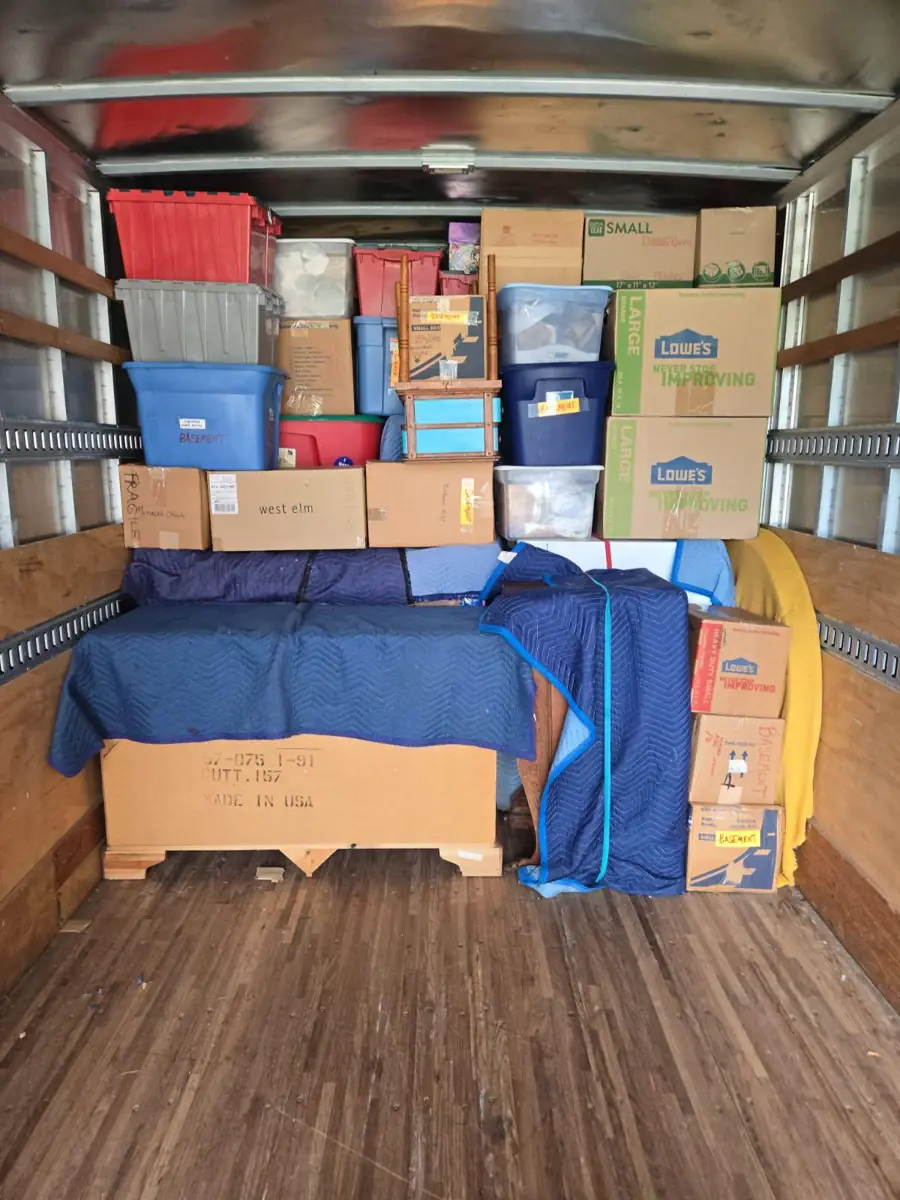
- Stretch wrap and moving blankets: to protect furniture.
- Zip-top bags: for screws, bolts and small parts from furniture you take apart.
Avoid old grocery boxes for a long distance move. They are often weakened and may not hold up on a long trip.
Start With a Packing Timeline
Packing a full home for a long distance move usually takes two to four weeks if you do it yourself. Start early and work from the rooms you use least to the rooms you use most:
- 4 weeks before: attic, basement, garage, guest room and storage closets.
- 3 weeks before: books, decor, artwork, out-of-season clothes and hobby items.
- 2 weeks before: most of the kitchen, the dining room and the living room, keeping only daily essentials.
- 1 week before: most clothes, linens and bathroom items you can live without.
- Last 2 days: remaining kitchen items, bedding and your essentials box.
Declutter Before You Pack
Every item you move costs time and money, and on a long distance move the cost is higher. Before you pack, go room by room and decide what to keep, sell, donate or recycle. Measure the rooms in your new home so you know which furniture will fit. Use up pantry food and cleaning supplies rather than packing them. A lighter load means a faster and more affordable long distance move.
How to Pack Boxes for a Long Distance Move
Build Strong Boxes
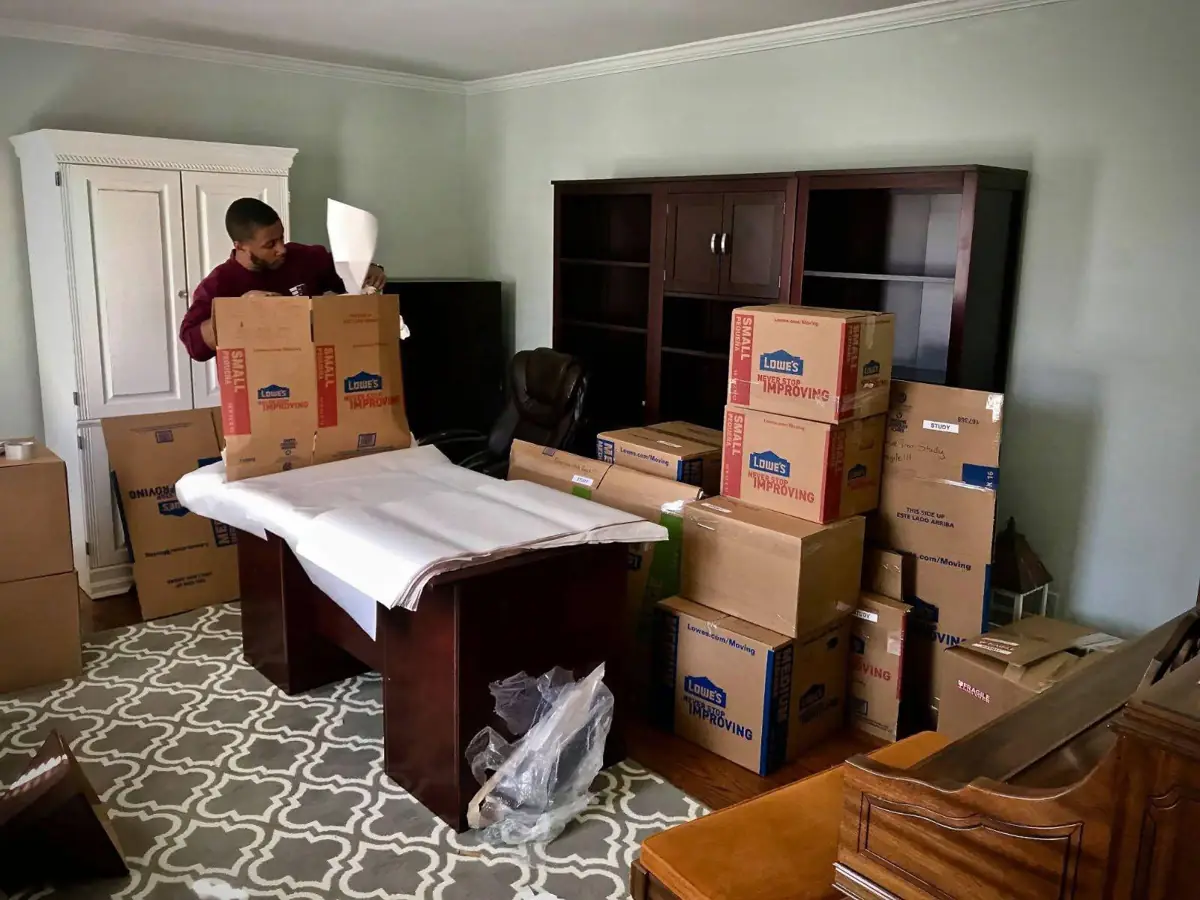
Tape the bottom of every box with an H pattern: one strip along the center seam and one across each edge. Reinforce heavier boxes with an extra strip.
Put Heavy Items on the Bottom
Place the heaviest items in the bottom of each box and lighter items on top. Keep most boxes under about 50 pounds so they are safe to carry.
Fill Every Gap
Empty space lets items shift and break. Fill gaps with crumpled packing paper, towels or soft clothing until nothing moves when you gently shake the box.
Close and Seal Firmly
A box should close flat. A bulging box will collapse when another box is stacked on top, and a half-empty box will cave in.
Label Every Box Twice
Write the room and a short list of contents on the top and on one side. Mark fragile boxes clearly and note “This Side Up” where needed. Number your boxes and keep a simple list so you can check that everything arrived.
Room-by-Room Packing Guide
Kitchen
The kitchen takes the longest to pack for a long distance move. Wrap each plate and glass individually in packing paper. Pack plates on their edges like records, never flat, and use dish packs or small, sturdy boxes. Wrap knives in paper and cardboard and label the bundle. Small appliances travel best in their original boxes if you still have them.
Living Room
Wrap lamps and lampshades separately. Remove light bulbs. Pack books flat or spine-down in small boxes. Wrap framed art in paper or bubble wrap and pack it on edge in picture boxes.
Bedrooms
Use wardrobe boxes so hanging clothes travel on their hangers. Fold the rest into suitcases or medium boxes. Mattresses should go into mattress bags to stay clean and dry during the long distance move.
Bathrooms
Seal liquids with plastic wrap under the cap and pack them upright in a plastic bin or a lined box. Pack medicines in your essentials bag, not on the truck.
Home Office
Back up computers before the move. Pack important papers in a file box you carry yourself. Wrap monitors and printers in blankets or bubble wrap and pack them upright.
Garage and Outdoor Items
Drain gas and oil from lawn mowers and power tools. Clean outdoor furniture and grills. Bundle long-handled tools together with tape. Many fuels, paints and chemicals cannot travel on a moving truck, so plan to use them up or dispose of them safely.
How to Pack Fragile Items for a Long Distance Move
- Line the bottom of the box with crumpled paper as a cushion.
- Wrap each item individually, then wrap again in bubble wrap for very delicate pieces.
- Stand plates, platters and framed pieces on edge.
- Fill every space so nothing can move.
- Add another layer of padding on top before you seal the box.
- Mark the box FRAGILE on several sides and note which side is up.
For heirlooms, antiques or very valuable pieces, consider professional packing or carrying the item yourself.
Preparing Furniture for a Long Distance Move
Large furniture is easier to move and better protected when it is prepared correctly:
- Take apart beds, tables and large shelving where possible. Bag and label the hardware and tape the bag to the furniture.
- Remove glass shelves and tabletops and pack them separately.
- Empty drawers or secure them so they cannot slide open.
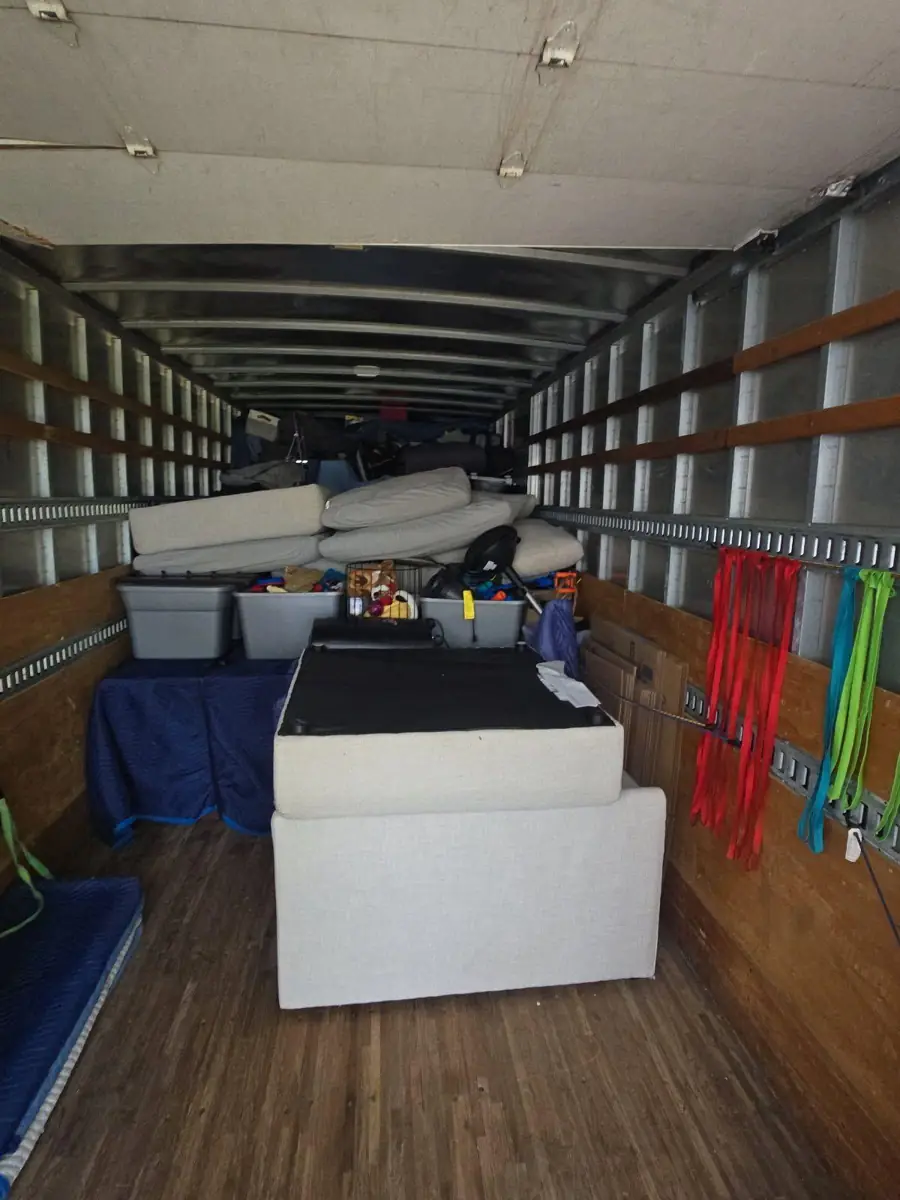
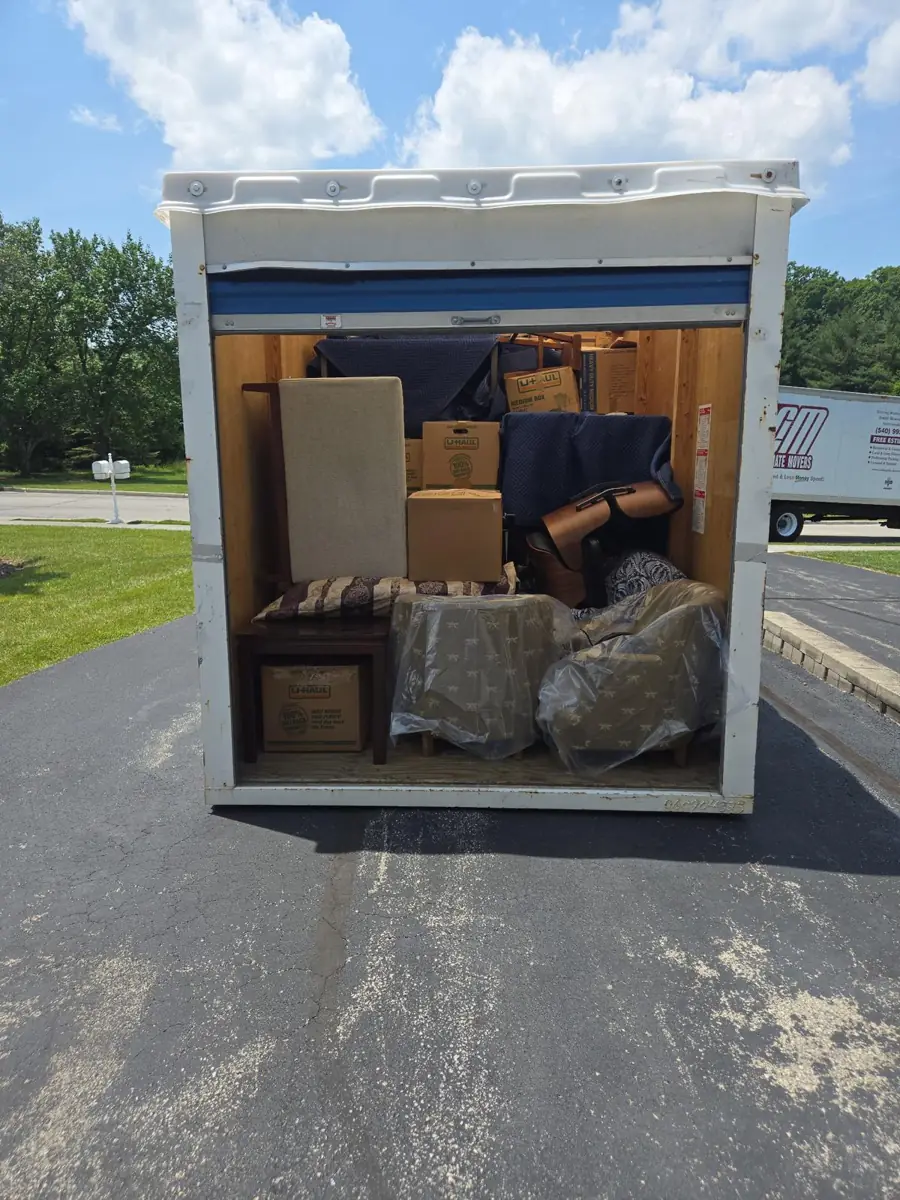
- Wrap furniture in moving blankets and stretch wrap to protect it from scratches and dust.
Our crews wrap and pad furniture as part of every move, which is especially important on a long distance move.
Packing Electronics
Use the original boxes for TVs and computers if you have them. If not, wrap screens in a moving blanket, then bubble wrap, and pack them upright with padding on all sides. Photograph cable connections before unplugging, and put cables and remotes in labeled bags packed with each device.
What Not to Pack on the Moving Truck
Some items should stay with you, and some cannot legally or safely travel on a moving truck. Keep these off the truck on any long distance move:
- Passports, birth certificates, financial records and moving documents
- Jewelry, cash and other valuables
- Medicines and medical supplies
- Laptops and backup drives with important data
- Flammable or hazardous items such as gasoline, propane, paint thinner, aerosols and fireworks
- Perishable food
- Plants, which often cannot travel long distances in a closed truck
Pack an Essentials Box
Your belongings may arrive days after you do. Pack a suitcase or box that travels with you, including clothes for several days, toiletries, medicines, chargers, important papers, bedding, towels, a few kitchen basics, children’s comfort items, pet supplies and a small toolkit.
DIY Packing vs. Professional Packing
Packing yourself saves money but takes weeks of evenings and weekends. Professional packers work quickly, use the right materials and know how to pack for a long distance move so items survive the trip. Many families choose a mix: they pack books, clothes and decor themselves and leave the kitchen, fragile items and furniture to the professionals.
How to Pack Clothes for a Long Distance Move
Clothes are easy to pack, but smart packing saves space and keeps them clean on a long distance move. Use wardrobe boxes for hanging clothes so they arrive ready to hang. Fold everything else into medium boxes or suitcases, and use vacuum bags for bulky sweaters, coats and bedding. Pack out-of-season clothes first, and keep a week of everyday outfits in your essentials bag. Shoes travel best in their own boxes or wrapped in paper so they do not scuff other items.
Packing Specialty Items
Artwork and Mirrors
Tape an X across glass with painter’s tape, wrap the piece in paper and bubble wrap, add cardboard corners and pack it on edge in a picture box. Very valuable art may need a custom crate.
Lamps and Lampshades
Remove bulbs and shades. Wrap the base in paper and bubble wrap, and pack shades in their own box with soft paper, never with heavy items on top.
Rugs
Clean rugs before the move, roll them tightly with the pile facing in and wrap them in plastic or paper so they stay clean during a long distance move.
Musical Instruments
Use hard cases when you have them. Loosen strings slightly on guitars and violins, and fill empty space in the case with soft cloth. Pianos need professional equipment, so tell your movers in advance.
Collectibles and Heirlooms
Photograph valuable items before packing, wrap each piece individually and consider carrying the most precious pieces with you.
Smart Packing Tips That Save Time
- Use a color code. Give each room a color and put a matching sticker on every box. Movers can place boxes at a glance.
- Keep hardware with furniture. Tape bags of screws and bolts to the furniture they belong to.
- Pack a first-night box for each person. Pajamas, toothbrush, chargers and a change of clothes.
- Take photos of electronics. Cable setups take minutes to rebuild when you have a picture.
- Use what you have. Towels, linens and soft clothes make excellent padding and save on packing paper.
- Do not overpack boxes. A box that is too heavy is hard to carry and more likely to break.
The Day Before Your Long Distance Move
- Finish packing everything except the essentials you will carry with you.
- Defrost and dry the refrigerator and freezer.
- Disconnect washers and dryers, or arrange for help to do it.
- Take apart remaining furniture and bag the hardware.
- Set aside items that are not going on the truck so they are not loaded by mistake.
- Confirm the arrival time with your movers and charge your phone.
Unpacking After a Long Distance Move
Unpacking goes faster when you packed well. Start with the bed, bathroom and kitchen essentials so the first night is comfortable. Unpack one room at a time instead of opening boxes everywhere. Check items against your inventory as you unpack, and note any damage right away. Break down empty boxes and recycle them, or pass them on to someone else who is planning a long distance move.
Packing for a Long Distance Move With Kids and Pets
Children and pets make packing more complicated, but a little planning helps. Let older children pack their own rooms with your help and decorate their boxes so they recognize them at the new home. Pack a special box of favorite toys, books and bedding that travels in the car, not on the truck, so bedtime feels normal on the first night. For pets, pack food, bowls, leashes, litter, medicine and a familiar blanket in your car. On moving day, keep pets in a quiet, closed room or with a friend so they cannot slip out while doors are open.
How Professional Packers Pack for a Long Distance Move
Professional packers follow a system built for the road. They start with the kitchen and fragile items, because those take the longest and need the most protection. Every dish and glass is wrapped individually, plates stand on edge, and empty spaces are filled until nothing moves. Boxes are labeled by room and contents, heavy items go into small boxes, and furniture is wrapped in pads and stretch wrap. The result is a load that arrives in the same condition it left, even after a long distance move of hundreds of miles. If you want that level of care without spending weeks packing, ask about our packing services.
A Simple Box Labeling System
A clear labeling system is one of the easiest ways to make a long distance move go smoothly. Write three things on every box: the room it belongs in, a short list of what is inside and a number. Keep a matching list on your phone or on paper with each box number and its contents. When the truck is unloaded, you can check off each number and know right away if anything is missing. Mark boxes you will need first with “Open First,” and mark fragile boxes on several sides so everyone handling them knows to take extra care.
Frequently Asked Questions
How early should I start packing for a long distance move?
Start about four weeks before moving day if you are packing yourself, beginning with the rooms you use least.
How many boxes do I need?
It depends on your home and how much you keep. A small apartment may need a few dozen boxes, while a large house can need well over a hundred. Decluttering first reduces the number.
Can I pack my dresser drawers full?
Light, soft items like clothing can sometimes stay in drawers if the dresser is sturdy, but heavy or breakable items should always be packed in boxes. Ask your movers before moving day.
What is the best way to protect dishes?
Wrap each piece individually, stand plates on edge in a dish pack or small box and fill every gap with paper.
Do movers pack for a long distance move?
Yes. Many movers, including Collegiate Movers, offer full and partial packing services with quality materials.
Should I use plastic bins or cardboard boxes?
Both work. Plastic bins are sturdy, stack well and protect against moisture, which makes them a good choice for heavy or valuable items. Cardboard boxes are lighter, easier to find in many sizes and simple to recycle after the move. Many families use bins for the garage, bathroom and important items, and cardboard for everything else.
Get Help With Your Long Distance Move
Collegiate Movers has helped Roanoke families pack and move since 1999. We are licensed and insured (USDOT 861003), and our long distance movers handle packing, loading, transport and delivery. If you are still choosing a company, read our guide What to Look for in Long Distance Movers, and see How Long Does a Cross-Country Move Take? to plan your timeline. For trustworthy consumer information, the FMCSA’s Protect Your Move site is a great resource.
Ready to plan your long distance move? Call (540) 992-1414 or request your free quote online.